
First Paycheck Gone: What Do You Pay First When Money Runs Out?
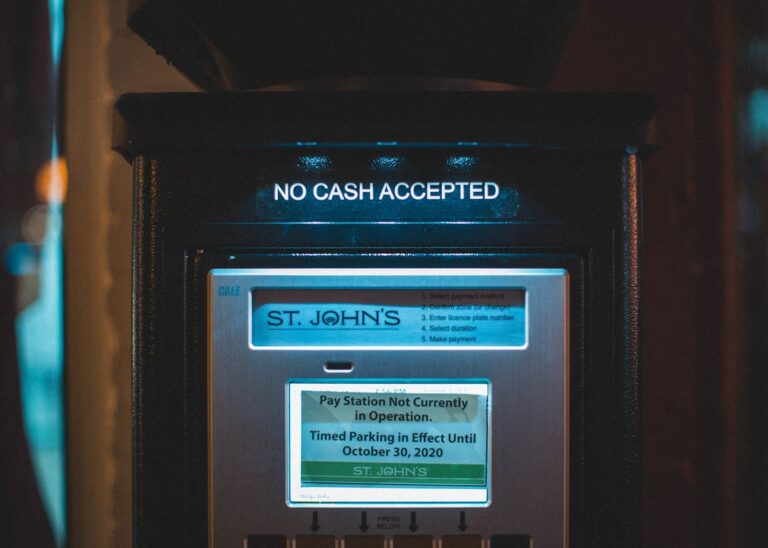
Photo by Vitaly Gariev on Unsplash
By The Money Floor Editorial Team · Source-verified · Last updated August 2026
When money after a job loss runs out faster than you expected, the question nobody prepares you for is this: who do you pay, and who do you stall? Most personal finance advice skips this moment entirely. It assumes you have a three-month emergency fund sitting in a high-yield savings account. But if you’re reading this right now, you probably don’t. And you need a real answer, not a lecture about what you should have done six months ago.
Key Takeaways
- When money runs short after a job loss, pay in this order: food and utilities first, housing second, transportation third, minimum debt payments last.
- File for unemployment benefits the same week you lose your job — your state’s labor department website will show you what to expect, and every week you wait is income you forfeit permanently.
- This week, call every bill you can’t pay and ask for a hardship deferral — most lenders, landlords, and utilities have programs they will not advertise to you.
- Do not cash out your 401k to cover short-term bills — the 10% early withdrawal penalty plus ordinary income taxes mean a significant portion of that money never reaches your bank account.
Why Is This Question So Hard to Answer?
The short answer: because nobody tells you there’s a triage system for bills, and “pay everything on time” stops being useful advice the moment the money isn’t there.
People who’ve lost a job often freeze. They know they can’t pay everything, but they don’t know what happens if they don’t pay something. So they pay randomly — whichever bill sent the scariest-looking notice — and end up making choices that hurt them worse later.
There’s a smarter order. It’s not pretty. But knowing it keeps a roof over your head while you get back on your feet.
What Do I File For First?
The short answer: unemployment benefits, the same week you lose your job. Not next week. This week.
Most states have a one-week waiting period before benefits kick in, which means every day you wait is a day of income you’ve already lost. File online through your state’s workforce or labor department. The process takes about 30 minutes. According to the U.S. Department of Labor, average weekly unemployment benefits vary by state but run roughly $400-$500 nationally. That’s not enough to live on, but it is real money that covers part of your rent or your groceries.
If you received a severance package, read our guide on what to do with a lump sum from a layoff before you touch that money. Severance changes the math on how you triage everything below.
What’s the Priority Order for Bills I Can’t Pay All Of?
The short answer: survival first, shelter second, transportation third, credit cards and personal loans last.
Here’s the actual triage order, and why each one sits where it does:
- Food and utilities. Electricity, gas, water, and groceries. You cannot function without these. Many utility companies have hardship programs — call and ask before you miss a payment, and the same approach works for bank fees you can often get refunded just by asking. Some will defer 60-90 days with no late fee.
- Rent or mortgage. Missing a housing payment is serious, but it won’t put you on the street next week. Eviction is a legal process that takes weeks to months in most states. Foreclosure takes even longer. That doesn’t mean ignore it — it means you have slightly more time to negotiate than you think.
- Car payment (if you need the car to work). If the car gets repossessed, the job search gets harder. If you can work remotely or use public transit, this drops in priority.
- Insurance premiums. Health insurance especially. A lapse here can cost you far more than the premium. Look into COBRA, marketplace plans, or Medicaid depending on your income drop.
- Minimum payments on credit cards and personal loans. These are last because the consequences — late fees, dings to your credit score — are painful but survivable. Missing rent is not survivable in the same way.
Credit card companies will not take your apartment. Landlords will. That’s the logic behind this order.
Should I Call My Lenders, or Just Skip the Payment?
The short answer: always call. Skipping silently is the most expensive option.
Most people avoid calling because they’re embarrassed. But lenders have hardship programs specifically for this situation, and they don’t broadcast them. Call and say: “I recently lost my job and I’m having trouble making this payment. Do you have a hardship or deferral program?” That sentence, said plainly, gets results more often than you’d expect.
Credit card companies often offer 60-90 day payment deferrals. Mortgage servicers have forbearance options. Car lenders sometimes allow one skipped payment moved to the end of the loan. The Consumer Financial Protection Bureau maintains updated guidance on your rights when requesting hardship assistance from lenders.
None of this is guaranteed. But a 20-minute phone call has a real shot at buying you two or three months of breathing room.
What About Rent? Can I Actually Negotiate With My Landlord?
The short answer: yes, and more landlords will negotiate than you expect — especially if you’ve been a reliable tenant.
A landlord who defers your rent for 60 days still gets paid. A landlord who evicts you has a vacant unit, legal costs, and months of lost income. You have more leverage than you feel like you have right now.
Put the request in writing. Be specific: “I lost my job on [date]. I’ve filed for unemployment and I’m actively job searching. Can we defer $900 of this month’s rent and add it to February?” A specific ask is easier to say yes to than a vague “I can’t pay.”
If your rent recently jumped and you’re wondering whether staying is even worth it, read our piece on options when your rent increases sharply. A job loss might be the moment to reconsider your housing situation entirely.
Should I Use My Credit Cards to Cover the Gap?
The short answer: for true essentials only, and only if you have a realistic plan to pay them off within 6 months of getting back to work.
Credit cards at 20.94% APR (as of May 2026, per the Federal Reserve) are expensive debt. Put your own balance, rate, and payoff timeline into any loan calculator and you’ll see the real interest cost — at rates above 20% APR, a gap covered on a card and paid off slowly costs meaningfully more than the original charge. That’s real money you’ll spend later to cover today’s crisis.
But here’s the honest truth: sometimes the credit card is the right call. Putting $300 of groceries on a card while you wait for your first unemployment check is not a disaster — though if you recently got a raise and are still feeling squeezed, it’s worth understanding why a higher income doesn’t always mean more money in your pocket. Putting $4,000 of non-essential spending on it because you haven’t adjusted your lifestyle yet — that’s what creates a second crisis on top of the first one. If you’re staring down a bigger gap, read our post on covering a large expense after losing your job before you reach for the card.
Should I Cash Out My 401k?
The short answer: no. Not unless you have exhausted every other option and you are at risk of losing housing.
Cashing out a 401k before age 59.5 triggers a 10% early withdrawal penalty plus ordinary income taxes on the full amount. If you’re in the 22% federal tax bracket, you’ll lose roughly 32 cents of every dollar you withdraw. Run your own bracket and withdrawal amount through the IRS withholding estimator and you’ll see how little actually reaches your bank account — the gap is larger than most people expect. That’s not a loan. That’s gone permanently, along with every year of compounding it would have done for your retirement.
If you had a 401k at a previous job and you’re weighing your options, this is different from cashing out. Read our full breakdown on what to do with a 401k from an old job. Rolling it over preserves the money. Cashing it out does not.
What About Medical Bills? Do I Have to Keep Paying Them?
The short answer: medical bills are among the most negotiable debts that exist. Do not ignore them, but do not prioritize them over food, housing, or utilities.
Medical debt does not typically result in immediate legal action. Hospitals and providers negotiate constantly. If you’ve lost your job, call the billing department and tell them. Ask about financial hardship programs, charity care, or income-based repayment. Many hospital systems will reduce or eliminate bills entirely for people below certain income thresholds.
If a medical bill is already going to collections, we have a word-for-word call script for negotiating medical bills that walks you through exactly what to say, and a medical bill negotiation worksheet to help you track and cut what you owe.
What Do I Do This Week?
Here’s your immediate action list. Do these in order, this week.
- Day 1: File for unemployment online through your state’s labor website. Do not wait.
- Day 2: Write down every recurring expense and label each one: essential (food, utilities, housing, transportation to work), important (insurance), or deferrable (subscriptions, credit cards, personal loans).
- Day 3: Call utilities, your landlord or mortgage servicer, and your car lender. Ask each one about hardship deferrals. Take notes on who said what.
- Day 4: Cancel every subscription you don’t need right now. This is not forever. This is for right now.
- Day 5: Look at what income you might be able to generate quickly. Gig work, selling things you own, picking up temporary work. Our post on side hustles with real numbers is worth a read.
You’re not trying to solve every problem this week. You’re trying to buy yourself 30-60 more days without a crisis compounding into a disaster.
Frequently Asked Questions
What do you pay first when you lose your job and can’t cover all your bills?
Pay in this order: food and basic utilities, housing (rent or mortgage), transportation if you need it to work, insurance, and then minimum payments on credit cards and loans. Credit card companies cannot evict you or repossess your home, which is why they sit at the bottom of the list. The goal is to protect the things you cannot function without.
How fast do you need to file for unemployment after losing a job?
File the same week you lose your job. Most states impose a one-week waiting period before benefits begin, so every week you delay is income you forfeit permanently. File online through your state’s workforce agency website. It typically takes 30 minutes and you’ll need your employer’s name, address, and your recent pay information.
Can you really negotiate with your landlord when you can’t pay rent?
Yes. Many landlords will defer rent for 30-60 days rather than go through a costly, time-consuming eviction process. Put your request in writing, be specific about what you’re asking for and what your plan is, and approach it as a business conversation. Landlords who’ve had reliable tenants are more likely to work with you than you think.
Should you use a credit card to pay bills when you’re between jobs?
For true essentials — groceries, a utility bill, a prescription — a credit card can be a reasonable bridge when you have a realistic plan to pay it off within six months of returning to work. But at an average APR of 20.94% (as of May 2026, per the Federal Reserve), credit card debt compounds fast. Avoid using it for non-essentials or anything that can be deferred or cancelled.
Is it ever okay to cash out a 401k after a job loss?
Only as a last resort, when you are at genuine risk of losing housing and have exhausted every other option. A 401k withdrawal before age 59.5 triggers a 10% penalty plus ordinary income taxes on the full amount — add your federal and state bracket to that penalty and you’ll see how much disappears before anything reaches you. What actually lands in your account depends on your tax bracket and state — run the numbers before you withdraw, because the loss is permanent and the compounding you give up goes with it. Explore hardship deferrals, unemployment benefits, and gig income first.
What if I can only afford to do one thing right now?
File for unemployment today and make one phone call to your most urgent creditor or landlord asking about a hardship deferral. Those two actions cost nothing, take less than an hour combined, and have the potential to buy you weeks of financial breathing room while you stabilize. Everything else can come next.
Get Real Money Advice.
No get-rich-quick. No fluff. Just honest help with money — straight to your inbox.
Drop your email below. Weekly. No spam. Unsubscribe anytime. ↓