
How to Cash a Paycheck Without Getting Gouged
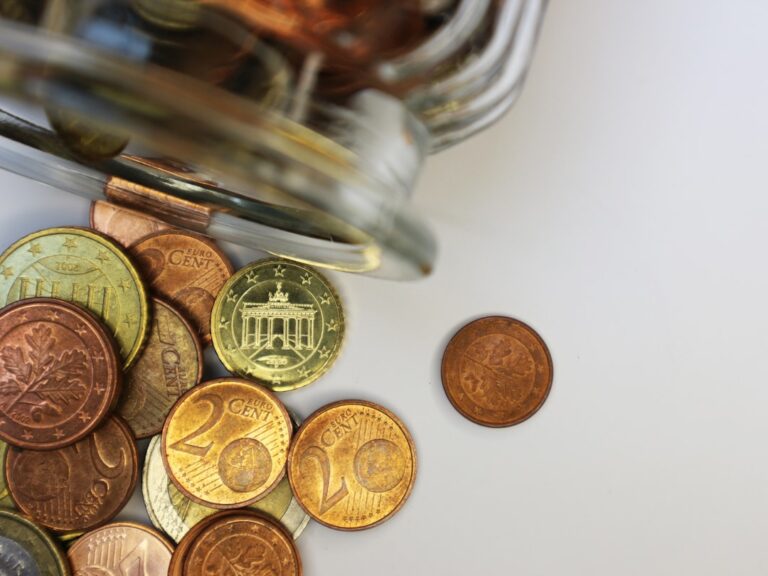
Photo by Aleksey Sokolenko on Unsplash
By The Money Floor Editorial Team · Source-verified · Last updated November 2026
The cheapest way to cash a paycheck is to deposit it into a bank or credit union account you own, which usually costs $0. If you don’t have an account, your next best options are the bank printed on the check or a big-box store that charges a small flat fee. Figuring out how to cash a paycheck feels like something you’re supposed to already know. But nobody actually teaches it, and asking can feel humiliating when you’re 38 and standing in line at a check cashing counter. So here are the straight answers, with real numbers.
Key Takeaways
- Depositing a paycheck into your own bank or credit union account is the only reliably free way to access your pay.
- A check cashing store charging 3% on a $1,400 biweekly paycheck costs you $42 per check, or $1,092 a year across 26 paychecks.
- This week, call one local credit union and ask whether it offers a free or “second chance” checking account, then set up direct deposit with your employer.
- Paying for “instant” access through a check casher or app feels small each time, but it quietly drains hundreds of dollars a year you could put toward an emergency fund.
How to Cash a Paycheck for Free (or Close to It)
The short answer: Open a checking account, set up direct deposit, and stop cashing checks at all.
A checking account with direct deposit is the gold standard because your pay lands automatically and nobody takes a cut. Many online banks and credit unions charge no monthly fee. Some even release direct deposits before the standard payday settlement window, which removes the main reason people pay for “fast cash.”
If you get a paper check, mobile deposit is the next best thing. You snap a photo in your bank’s app, and the money usually shows up within one to two business days. Most banks don’t charge for this.
Not ready for an account yet? Then your free or cheap options, in order, look like this:
- Your own bank or credit union: free, and usually the fastest if you deposit in person.
- The bank the check is drawn on: sometimes free, often a fee of a few dollars for non-customers.
- Big-box retailers like Walmart: a flat fee, typically under $10 per payroll check.
- Check cashing stores and instant-cash apps: the most expensive, usually a percentage of the whole check.
How Much Do Check Cashing Stores Really Charge?
The short answer: Fees vary by state and store, but check cashers typically charge a percentage of the check, sometimes with an extra flat fee on top.
Check cashing stores make money by taking a percentage of your paycheck. Some states cap these fees, while others barely regulate them. Because the charge is a percentage, the bigger your check, the more you lose.
And that’s the trap. A fee of “only 3%” sounds tiny when you’re tired and need the money tonight. However, it’s charged every single payday, and it adds up faster than almost any other bank fee.
The real math on a $1,400 paycheck
Say you take home $1,400 every two weeks. Here’s what cashing it costs over one year (26 paychecks):
- Check cashing store at 3%: $1,400 × 0.03 = $42 per check. Then $42 × 26 = $1,092 a year.
- Big-box store at an $8 flat fee: $8 × 26 = $208 a year.
- Your own checking account: $0 a year.
Switching from a 3% check casher to a free account saves you $1,092 a year on a $1,400 paycheck. That’s not pocket change. In fact, it’s enough to build a real starter cushion, which is the first piece of the emergency fund everyone needs.
Can I Cash a Paycheck at the Bank It’s Written On?
The short answer: Usually yes, even if you don’t bank there, but expect to show ID and possibly pay a small fee.
Look at your paycheck. Somewhere on it, you’ll see the name of a bank, like Chase, Wells Fargo, or a regional bank. That’s the issuing bank, and it can confirm on the spot that your employer has the money to cover the check.
Because of that, many issuing banks will cash the check for non-customers. Policies vary, though. Some cash it free, while others charge a fee that’s often in the $5 to $10 range. A few ask for a thumbprint as fraud protection.
Before you go, call the branch and ask two questions. First, “Do you cash payroll checks for non-customers?” Next, “What’s the fee, and what ID do I need?” That two-minute call can save you a wasted trip.
Also, don’t sign the back of the check until you’re standing in front of the teller. A signed check can be cashed by almost anyone who gets hold of it.
What About Walmart, Grocery Stores, and Check Cashing Apps?
The short answer: Retailers with flat fees are a decent backup, and apps are fine only if you choose the slower free option.
Walmart and many grocery chains cash payroll checks at the customer service desk. Walmart typically charges a flat fee under $10 per payroll check, depending on the amount. Grocery store policies vary a lot by chain and state, so ask at the counter before you hand anything over.
Meanwhile, the standard option, which can take several days, is usually free or close to it.
Here’s how the main options compare:
| Option | Typical Cost | Speed | Need a Bank Account? |
|---|---|---|---|
| Direct deposit | $0 | Payday (sometimes early) | Yes |
| Mobile deposit to your bank | $0 | 1 to 2 business days | Yes |
| Issuing bank | $0 to about $10 | Same day | No |
| Big-box retailer | Flat fee, usually under $10 | Same day | No |
| Now What?
The short answer: You can almost certainly get one, even with past banking problems, and it’s worth doing this month. Lots of people avoid banks for real reasons. Maybe overdraft fees ate you alive years ago. Or a bank closed your account, and now you assume nobody will take you. Neither one means you’re stuck paying a check casher forever. Banks often screen applicants through ChexSystems, a reporting agency that tracks closed accounts and unpaid bank fees. A negative record can make some banks say no. Still, plenty of options exist:
Whatever you open, confirm it’s federally insured. You can check any bank using the tools at the FDIC, and credit unions should be insured by the NCUA. If old fees still haunt you, our guide to getting bank fees refunded walks you through exactly what to say. What If My Job Pays Me on a Payroll Card?The short answer: You’re allowed to choose another way to get paid, and you should if the card’s fees bite. A payroll card is a prepaid debit card your employer loads with your wages. Under federal rules, your employer can’t make a payroll card the only way you can receive your pay. You can usually ask for direct deposit to an account you choose instead. If you keep the card, read the fee schedule closely. Look for ATM withdrawal fees, balance inquiry fees, and inactivity fees. Then use in-network ATMs and pay with the card directly, rather than pulling cash out several times a week. You can learn more about your payroll card rights from the Consumer Financial Protection Bureau. What Should I Never Do When Cashing a Paycheck?The short answer: Never pay for speed you don’t need, never sign your check over to a stranger, and never borrow against your next check. Those three mistakes cost people the most money. Here’s why each one matters:
Running short before payday is a budgeting timing problem, not a character flaw. A plan built around your actual pay dates helps, and this guide on budgeting when you’re living paycheck to paycheck shows you how. What Should I Do This Week?The short answer: Make one phone call, open one account, and set up one automatic transfer. You don’t need to overhaul your whole financial life by Sunday. Instead, take these steps in order:
What if I can only do a little?Even small changes count. For example, if your check is around $1,400 and you assume a 3% check casher fee versus a flat $8 retailer fee, you save $34 per payday by switching — and that difference compounds quickly across a full year of paychecks. Likewise, if you set aside $25 per paycheck on a biweekly schedule, that’s a meaningful sum building quietly in the background. Combined with the fees you stop paying, that’s real money building your floor. It won’t make you rich, but it gets you out of the cycle of paying just to touch your own money. Bottom line: Every dollar you pay to cash a paycheck is a dollar of your own wages you never get to use. A free checking account with direct deposit is the single easiest fix, and second chance accounts exist if a bank burned you before. Start with one phone call this week, and keep the $1,000-plus a year that check cashers would happily take.
Financial Disclaimer: The content on The Money Floor is for educational and informational purposes only. It is not personalized financial, investment, tax, or legal advice. Personal finance decisions depend on your individual situation. Consult a qualified financial advisor, CPA, or licensed professional before making major financial decisions. Read our full financial disclaimer.
Frequently Asked QuestionsWhere can I cash a paycheck without a bank account?Without a bank account, you can cash a paycheck at the bank printed on the check, at big-box retailers like Walmart, at many grocery stores, or at check cashing stores. The issuing bank and big-box retailers are usually cheapest, often charging $10 or less. Check cashing stores typically charge a percentage of the check, and that percentage varies by state and store — which adds up to far more on a typical paycheck than a flat-fee alternative. Can I cash a paycheck at any bank?Most banks only cash checks for their own customers or for checks drawn on their own bank. If you don’t have an account, go to the bank whose name is printed on your paycheck. Bring a valid government-issued photo ID, and call ahead to ask about non-customer fees. How much does it cost to cash a paycheck at a check cashing store?Check cashing stores charge a percentage of the check amount, sometimes plus a flat fee, and the exact rate depends on your state and the specific store. At 3%, a $1,400 paycheck costs $42 to cash. Over 26 biweekly paychecks, that adds up to $1,092 a year. Can my employer make me use a payroll card?No. Under federal rules, an employer can’t require a payroll card as the only way to receive your wages. You can usually ask for direct deposit to a bank or credit union account you choose instead. What if a bank denied me an account because of ChexSystems?A ChexSystems record doesn’t lock you out of banking for good. Many banks and credit unions offer second chance checking accounts designed for people with past account problems. Bank On certified accounts are another option, built with low or no monthly fees and no overdraft fees. Are check cashing apps worth it?Check cashing apps are worth it only if you choose the slower, free or low-cost option. Instant access fees vary by app and check type, so read the fee schedule before you submit — the cost can be meaningfully higher than the free slow option, putting it in a similar ballpark to many check cashing stores. Mobile deposit into your own bank account is usually free and takes one to two business days. Get Real Money Advice. No get-rich-quick. No fluff. Just honest help with money — straight to your inbox. Drop your email below. Weekly. No spam. Unsubscribe anytime. ↓ Similar Posts
|